Neo-Federal, sometimes referred to as Federal Revival, looked back to the elegant homes of the late 18th and early 19th centuries, reinterpreting their defining features for a modern age.
While less dramatic than Romanesque Revival or Queen Anne architecture, Neo-Federal homes brought a sense of refinement and order to Brooklyn’s rapidly evolving neighborhoods. Today, they remain an important part of the borough’s architectural landscape, bridging historic inspiration and early 20th-century design.
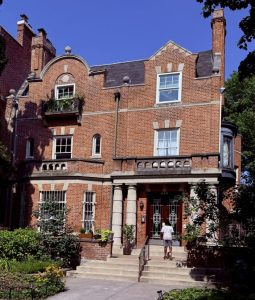
What Defines Neo-Federal Architecture?
Neo-Federal architecture draws heavily from the original Federal style but often incorporates larger scales, updated materials, and more formal compositions suited to modern living. The style became especially popular between the 1890s and the 1930s as part of a broader Colonial Revival movement that celebrated America’s architectural heritage.
In Brooklyn, common characteristics include:
- Symmetrical façades and balanced proportions
- Brick exteriors, often accented with limestone or stone trim
- Fanlights and sidelights surrounding entry doors
- Decorative door surrounds with classical detailing
- Multi-pane sash windows arranged in orderly patterns
- Modest cornices and restrained ornamentation
- Palladian windows or elliptical motifs in select examples
Unlike the original Federal style, Neo-Federal homes often appear larger and more formal, reflecting the changing expectations of early 20th-century homeowners.
Why the Style Flourished in Brooklyn
Neo-Federal architecture emerged during a period of rapid growth and modernization. As Brooklyn expanded and new residential districts developed, many architects and homeowners sought an alternative to the highly ornamented Victorian styles that had dominated the previous generation.
The style’s appeal lay in its simplicity and historical associations. By referencing America’s early architectural traditions, Neo-Federal homes conveyed stability, permanence, and a connection to the nation’s past. These qualities resonated particularly strongly in the years surrounding the Colonial Revival movement, when interest in early American design reached new heights.
The style proved especially popular for detached homes, apartment buildings, and institutional structures, though it also appeared in rowhouses and smaller residential developments throughout the borough.
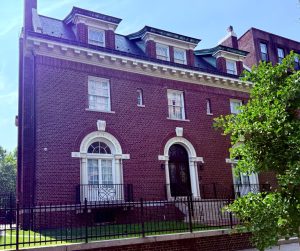
Where Neo-Federal Homes Can Be Found in Brooklyn
Neo-Federal architecture appears across a number of Brooklyn neighborhoods developed or expanded during the early 20th century:
- Brooklyn Heights — Later residential and institutional buildings often incorporated Neo-Federal detailing that complemented the neighborhood’s earlier historic architecture.
- Prospect Park South — Known for its eclectic collection of revival styles, the neighborhood includes several homes influenced by Federal and Colonial Revival design.
- Ditmas Park — Early 20th-century houses frequently feature symmetrical façades, classical entries, and brick construction associated with Neo-Federal architecture.
- Bay Ridge — Residential development during the early decades of the 20th century introduced numerous revival-style homes, including examples influenced by Federal precedents.
Interior Characteristics
Neo-Federal interiors generally emphasize symmetry, proportion, and formal organization. Typical features include:
- Central hall floor plans
- Decorative fireplaces and classical mantels
- Refined moldings and millwork
- Formal dining and reception rooms
- Large windows designed to maximize natural light
- Gracious stair halls and balanced room arrangements
Compared to Victorian interiors, Neo-Federal spaces tend to feel lighter, more orderly, and less heavily ornamented.
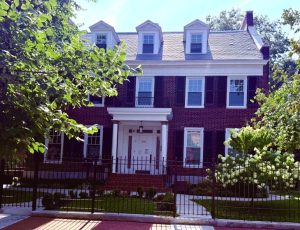
A Revival of American Classicism
Neo-Federal architecture reflects a moment when Brooklyn looked to its architectural past while embracing the opportunities of a new century. By adapting the elegance of the original Federal style to contemporary needs, architects created homes that felt both timeless and modern.
Today, Neo-Federal buildings continue to contribute to Brooklyn’s architectural diversity, offering a quieter form of distinction than many of their Victorian neighbors. Their balanced proportions, classical detailing, and enduring sense of order make them an important chapter in the borough’s architectural story.
If you are looking for advice in any part of evaluating a fixer upper, please feel free to contact me for resources and assistance at townhousetherapytati@gmail.com or call (917) 697-0117.